GTD participated in the IV Conference on Opportunities for Young Researchers in Fusion and Accelerators, where Tamara Benito, Head of Robotic Applications at GTD SIR, addressed an audience of students, young researchers, and professionals interested in the fusion and big science sector.
In her presentation, Benito highlighted the specific requirements of software developed for critical scientific installations. Systems associated with nuclear fusion and large-scale research infrastructure operate under conditions that demand far higher levels of reliability, security, and quality than conventional software. Validation, traceability, and compliance with strict technical requirements are not just good practices in this field, they are fundamental engineering obligations.
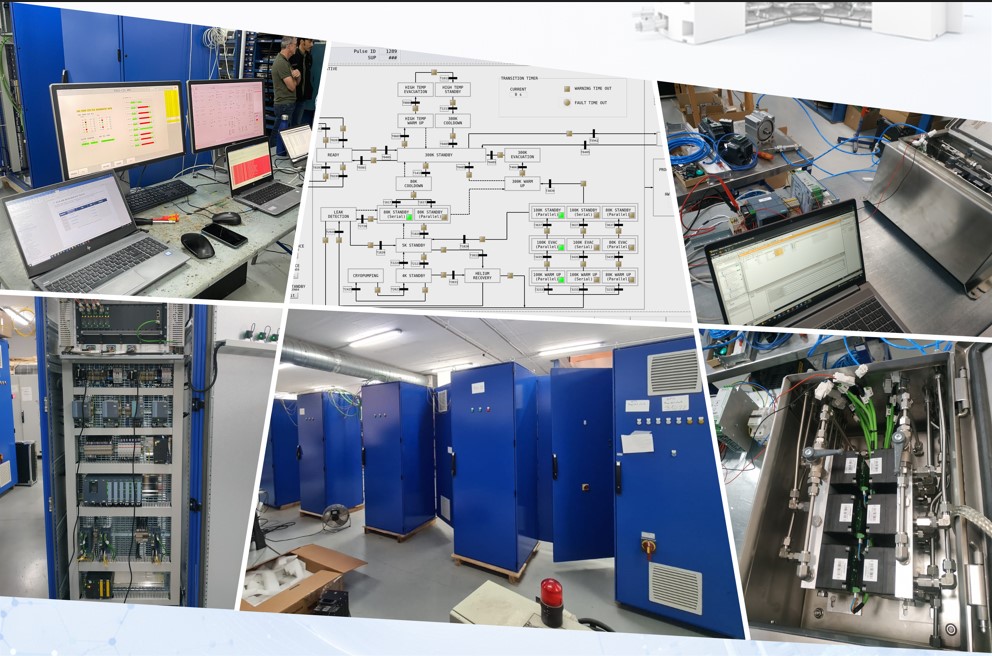
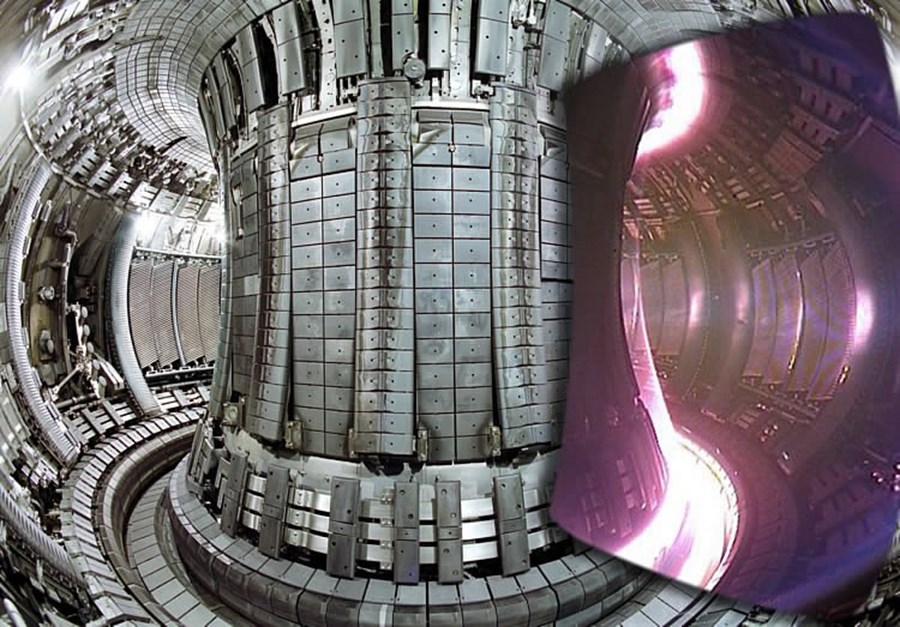
GTD SIR has built its track record in exactly this kind of environment, contributing to major projects such as ITER, CERN, and the ALBA Synchrotron, where software and instrumentation & control systems must perform without margin for error.
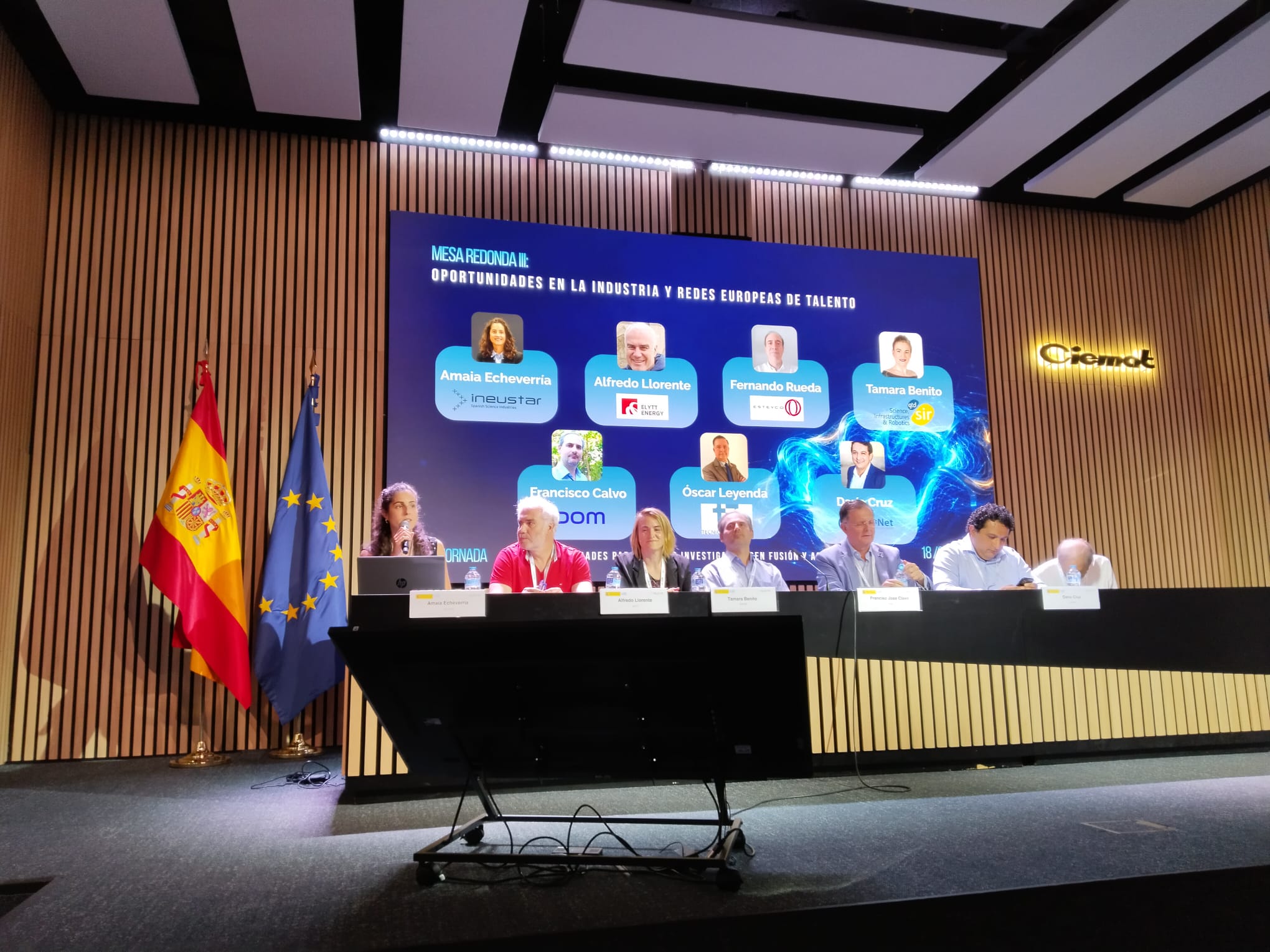
A central message of the session was the professional opportunity this sector represents. The growing complexity of scientific infrastructures is driving significant demand for profiles in software engineering, control systems, automation, communications, cybersecurity, system integration, and robotics. For graduates in Computer Science and Telecommunications, the fusion and big science industry offers a career path with strong long-term projection.
Benito also underlined that the competencies required to work on these projects are developed through a combination of rigorous technical training, continuous learning, and participation in real multidisciplinary projects, where collaboration across disciplines is key to the success of large scientific infrastructure.
Following the main sessions, GTD took part in the event's networking and B2B meeting programme. Students, young researchers, and professionals approached the GTD team to learn more about the company's work, its areas of activity, and current open positions. These exchanges offered a direct opportunity to discuss career profiles, answer questions about professional development, and give visibility to GTD's open roles in strategic technology areas for the fusion and large scientific infrastructure sector.







.png)
.jpg)